


Every SaaS founder thinks their product is different. The problem is, almost nobody landing on your homepage can tell. Open ten SaaS sites in different tabs, and the words start blurring together: "powerful", "seamless", "all-in-one", the same three icons, the same gradient, and the same "book a demo" button in the corner. Your product might genuinely solve something better than the other nine tabs. But if it reads the same, the buyer will never find out.
Standing out isn't about building louder features or a flashier site. It's about being specific enough that one exact type of buyer stops scrolling and thinks, "This one's talking about me." That comes from positioning, not your product roadmap, and it's fixable faster than most founders expect.
The problem: two founders, same room, very different night
Picture two SaaS founders pitching the same category, back to back, at the same demo day. Same market, same rough price point, same core feature set on paper. One gets three follow-up emails by the end of the night. The other gets polite nods and never hears back. Nobody in that room compared feature lists side by side. They just remembered who they were being pitched to.
That's the part most founders miss when they think about standing out. It's not about outbuilding the competition. It's about being unmistakably clear on who this is for and why it beats whatever they're doing right now, so clear that a stranger can repeat it back five minutes later. Everything else, the design, the demo, and the deck, is just dressing on top of that one decision.
According to High Alpha's SaaS Benchmarks research, growth has slowed across the board for B2B SaaS companies since the highs of 2021, which means buyers now have more time and less urgency, and they compare more options before picking one. Blending in used to just mean a slower sales cycle. Now it means the deal quietly goes to whoever sounded more specific on the first call.
So the real question isn't "How do we get more features?" It's "Why would this exact buyer choose us over doing nothing, or over the spreadsheet they've been using for a year?" Most SaaS founders have never written that answer down. That's the gap this comes down to.
The shift: standing out means being narrow on purpose
Standing out doesn't mean being louder or weirder than your competitors. It means being the obvious choice for one specific type of buyer, even if that makes you the wrong choice for everyone else.
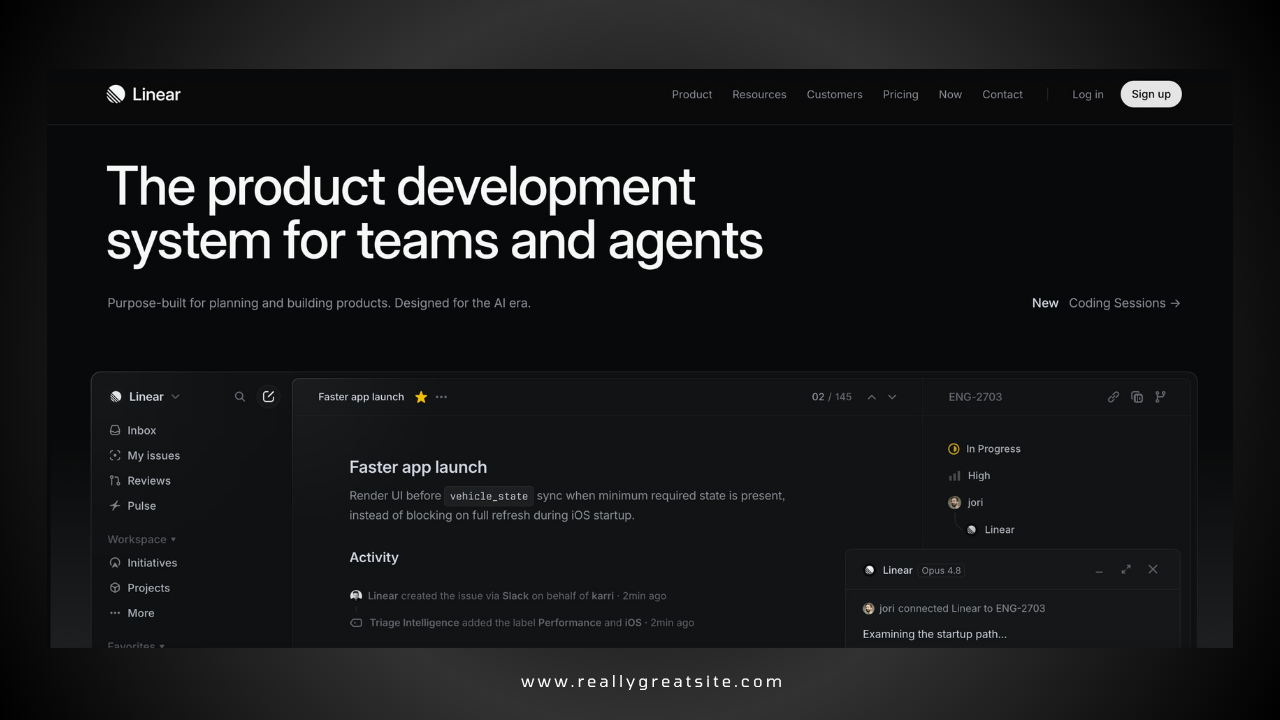
Linear is a clean example of this. Instead of trying to be the project management tool for every team, Linear built its entire identity around being the issue tracker that engineering teams actually enjoy using, at a time when most competitors were adding more dashboards and more settings menus. That single, specific promise is doing more marketing work than any feature list could.

Most founders resist this because 'narrow' feels like leaving money on the table. In practice, narrow is what makes a buyer stop scrolling and think, "Wait, this one is talking about me." That reaction is worth more than a longer feature list, and it's the thing that separates a SaaS brand people remember from one that gets forgotten by the next tab.
The solution: build positioning outward from the alternative, not inward from the product
Most founders start this exercise by describing their own product. That's backwards. The real starting point is what the buyer would do without you, and everything else gets built outward from there.
Start with what they'd use instead of you
Before you say a single word about your own product, get honest about what your buyer does without you. Almost nobody's true competitor is the company across the street selling something similar. It's the spreadsheet they already built, the manual process they're used to, or "we just live with it". Write that down first. Everything you build after this gets compared against that alternative in the buyer's head, whether you mention it or not.
List what you have that the alternative doesn't
Now put your product next to that alternative and get specific about what you actually have that it doesn't. Not vague strengths, actual attributes: a feature, an integration, a way of working. This is a list of facts, not a pitch yet.
Turn those attributes into value
A feature by itself doesn't sell anything. The real question is what that feature lets the buyer do that they couldn't do before, and why that matters to their day. A one-click integration is an attribute. Not babysitting a spreadsheet every Friday afternoon is the value. That translation, attribute into outcome, is where most SaaS copy quietly falls apart.
Find who actually cares about that value
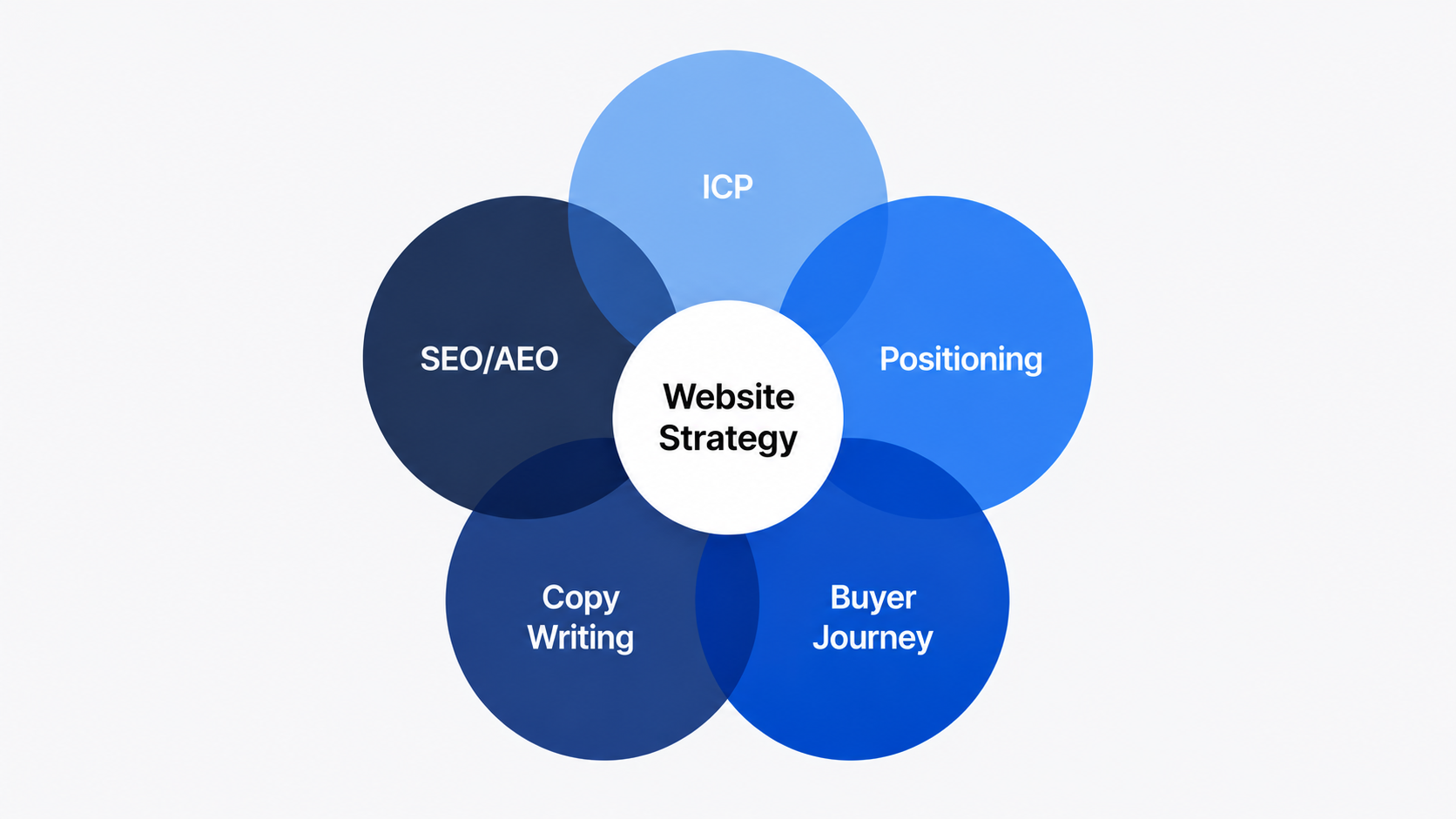
This is where your ICP comes from, but it's built backwards from value instead of guessed at from a demographic. ICP stands for Ideal Customer Profile: a specific description of the company or person who gets the most out of your product, the fastest. Once you know the specific outcome you deliver, ask who feels that pain sharply enough to act on it today. That's a much sharper filter than "companies with 10 to 50 employees. " It's "companies actively losing hours to this exact problem right now. " And just as useful, notice who doesn't feel it at all, so you don't water the message down trying to win them over, too.
Pick the frame that makes the value obvious
The category you claim shapes what a buyer expects before they've even opened the page. Sometimes the smartest move is fitting into a category people already understand, so your value is obvious immediately. Sometimes it's better to describe something new entirely, because every existing category comes with baggage that undersells you, the way Webflow sat between "code it yourself" and "use a template builder" instead of squeezing into either box. Either way, this decision isn't cosmetic. It changes what the buyer assumes you're supposed to do.
Layer in why now
Last piece, and the one most founders skip. Is there a shift happening in the market right now, a trend, a behaviour change, or a new expectation that makes your product more urgent than it would have been two years ago? Naming that gives the buyer a reason to act this quarter instead of filing you away for later.
Let it show up on the actual website
Once those pieces are in place, they turn into website messaging: the actual words on your homepage, pricing page, and product tour. A few patterns that consistently work for B2B SaaS teams going through a seed-to-Series-A stage:
- Lead with the outcome, not the feature. "Ship issues 40% faster" beats "AI-powered workflow automation".
- Name the alternative you're replacing directly in the copy, the way Notion's early pages contrasted themselves against juggling five separate tools.
- Keep the above-the-fold headline to one sentence a non-technical person could repeat back to a coworker.
- Use real numbers in USD where you can. "$49 per seat, no setup fee" builds more trust than "flexible pricing".
If your website still reads like a features list after this exercise, the problem usually isn't the writer. It's that the work above it, the alternative, the attributes, the value, the ICP, and the category were never done in the first place.
How long before this actually works
Not overnight, and be wary of anyone who says otherwise. Positioning work compounds. The first week, it's a document. The first month, it's rewritten homepage copy and a sharper sales pitch. By the second or third quarter, it's showing up in how prospects describe you to their team before the demo even happens, which is the real signal that positioning has taken hold.
Founders coming out of a seed round often want this fixed before their Series A raise, and that timeline is realistic if the ICP work happens first instead of getting skipped for a rebrand.
Ready to stop blending in?
Most B2B SaaS founders know their product is good. What they don't have is a clear answer for why one specific buyer should choose them over the spreadsheet, the competitor, or doing nothing at all, and that gap is what keeps a good product stuck at the same growth rate quarter after quarter. It's not a copywriting problem. It's a positioning problem, and it needs to be solved before the next homepage redesign or the next round of ad spend, not after.
That's the work Minute Creative does with B2B SaaS founders every day. We build the ICP, the Anti-ICP, and the strategic narrative first, then turn that into messaging your buyers repeat back to their own team before the demo even starts. If your SaaS still sounds like everyone else's, talk to Minute Creative's team about fixing that at the root, not just on the surface.
.jpg)