




Someone lands on your website. They have been searching for exactly what you offer. They click through, and within seconds they are gone. No enquiry. No contact form. Nothing.
This happens more than most business owners realise. Research shows visitors form an impression of your website in under 50 milliseconds, and most of the time, what drives them away is not a bad product. It is a website that is not doing its job.
The good news is that these mistakes are fixable, and most do not require a full redesign. You just need to know what to look for.
1. Your Website Takes Too Long to Load
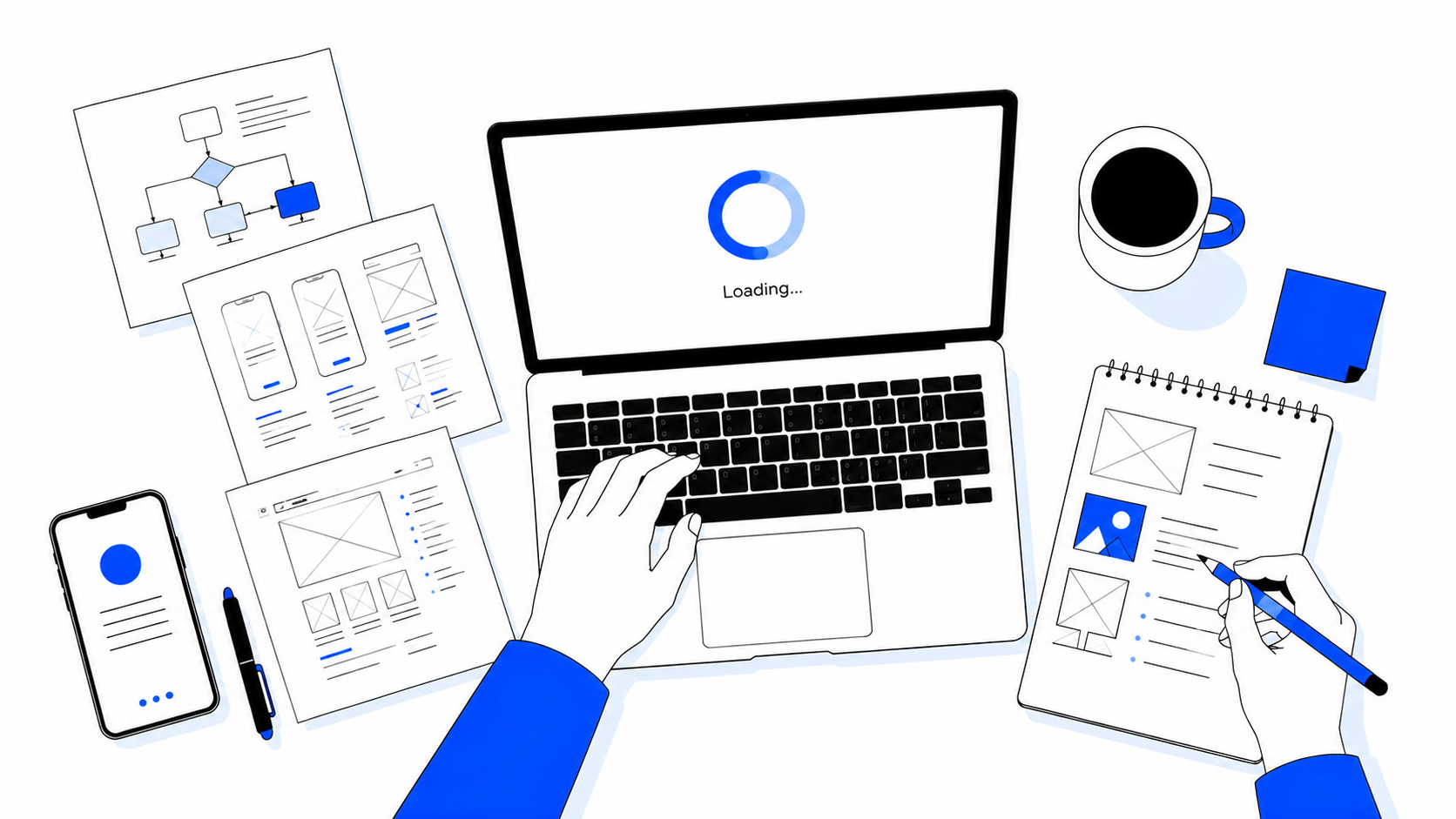
If your website takes more than three seconds to load, a significant portion of your visitors will leave before they even see your homepage. According to Think with Google, 53 per cent of mobile users abandon a site that takes longer than three seconds. That means you could be losing more than half your mobile visitors before they read a single word.
Slow websites do not just frustrate visitors. They cost you leads. Every second of delay is a potential customer who left before they could enquire, sign up, or buy.
Google also measures something called Core Web Vitals, which are three performance signals that affect your search rankings. LCP measures how fast your main content loads. CLS measures whether your page jumps around as it loads. INP measures how quickly your page responds to clicks. If any of these are poor, Google notices.
Quick speed checklist:
- Compress all images before uploading
- Reduce the number of plugins running in the background
- Test your site using Google PageSpeed Insights (free)
- Check your Core Web Vitals in Google Search Console
2. It Is Not Designed for Mobile
More than half of all web traffic today comes from mobile devices. A website that was built for desktop and never properly adapted is giving a broken experience to the majority of people visiting your site.
The better approach today is mobile-first design. That means designing for the smallest screen first and expanding from there, rather than the other way around. Most visitors on mobile are tapping with a thumb, reading on the go, and making quick decisions.
Common mobile mistakes that hurt conversions:
- Buttons that are too small to tap accurately
- Long forms that are painful to fill out on a phone
- Text that is too small to read without zooming in
If you are not sure whether your site is mobile-friendly, test it using Google's Mobile-Friendly Test tool, which is free.

3. The Headline Does Not Tell Visitors What You Do
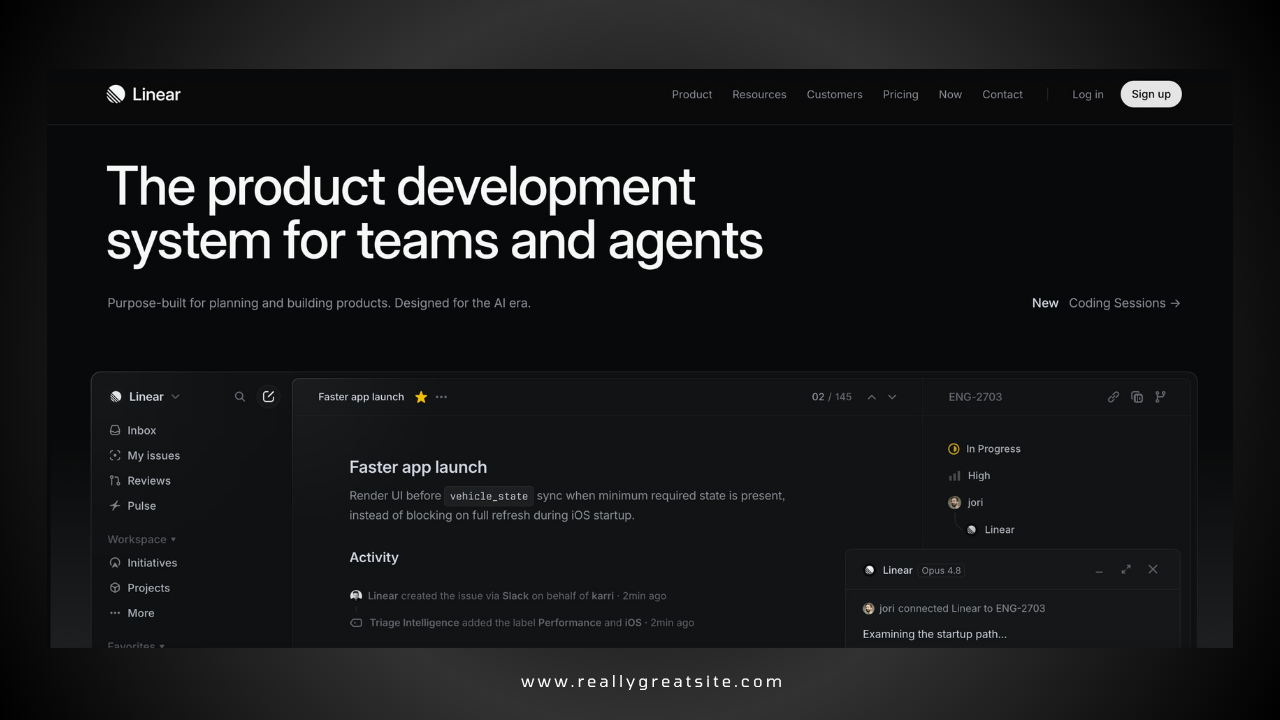
A visitor arrives on your homepage, and within the first few seconds, they are asking one question: what does this company do, and is it relevant to me? If your headline does not answer that clearly, they leave.
Vague headlines like "Welcome to our website" or "Solutions for modern businesses" tell the visitor nothing. They sound polished but they are empty.
A good headline follows a simple formula:
What you do + Who it is for + Outcome delivered
Here is the difference in practice:
Specificity is what converts. Vagueness is what sends people elsewhere.
4. There Is No Clear Next Step
Once a visitor understands what you do, they need to know what to do next. This is what designers call a call-to-action, or CTA. The mistake most websites make is either having no clear CTA at all or having too many competing ones that leave the visitor unsure where to go.
The logic is simple: the more decisions a person has to make, the less likely they are to make any of them. Every extra option creates friction, and friction kills conversions.
Every page on your website should have one primary CTA. Here is what that looks like in practice:
The more specific the action, the more people will take it.
5. Your Navigation Is Confusing
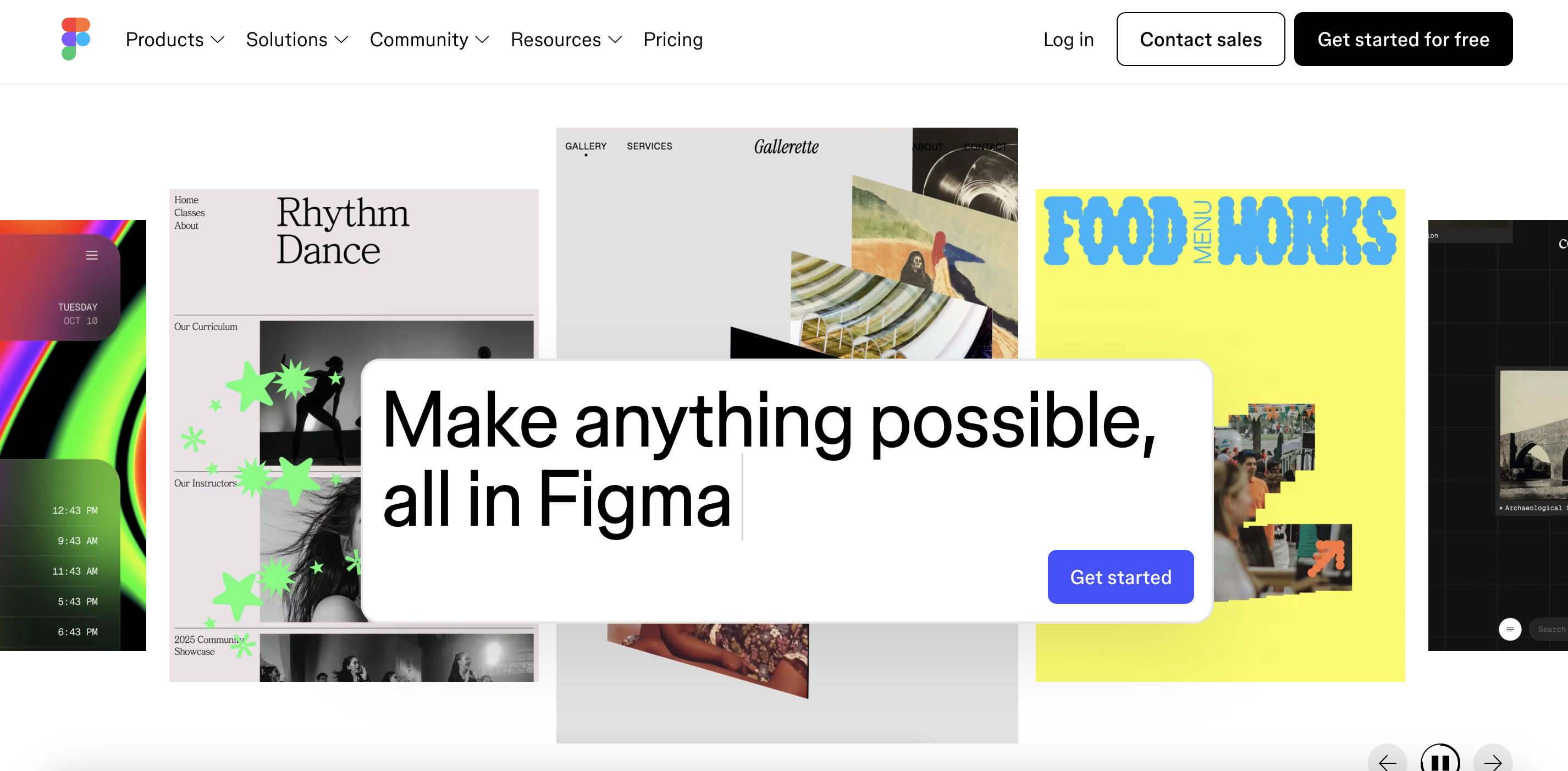
Navigation is the map of your website. When it is clear, visitors find what they are looking for quickly. When it is cluttered, they get frustrated and leave.
The most common mistake is trying to include everything. Some websites have eight or ten items in the top menu, each with multiple dropdowns, creating a maze nobody wants to explore.
Keep your navigation to four to six items. Every label should be plain and easy to understand. If a visitor has to think too hard about where to click, they will not click at all.

6. The Design Feels Inconsistent
Inconsistency makes visitors uneasy. Mismatched fonts, colours that change from page to page, and button styles that differ across the site all create a feeling that something is off. The visitor cannot always explain it, but it erodes trust.
The fix is to define a simple style guide: your fonts, your brand colours, your button styles, and your image guidelines. Apply them the same way across every page. The website immediately feels more put together, even if nothing else changes.
7. You Are Using Stock Photos That Look Like Stock Photos
Websites that use generic stock photos, the kind with people in suits shaking hands in front of a white background, feel cold and impersonal. Visitors notice the disconnect, and it chips away at the credibility you are trying to build.
Use real photos of your team, your workspace, or your product wherever possible. If you do use stock photography, go for images that look natural rather than staged. Unsplash and Pexels both have free options that feel far more genuine than the defaults most websites end up with.
8. There Is Too Much Happening on the Page
Clutter gets in the way of conversions. Too many fonts, colours, blocks of text, and competing images leave the visitor unsure where to look, so they end up looking at nothing and leaving.
Good design uses empty space on purpose. It gives the eye somewhere to rest and pulls more attention toward what actually matters.
If your website feels busy, start by removing things rather than adding them. Ask: Does this element help the visitor decide whether to take the next step? If not, it is probably safe to cut.
9. Nobody Can Find You on Google
A website that cannot be found on search is a missed opportunity every single day. Common SEO mistakes include missing page titles and meta descriptions, images without descriptive alt text, slow load speed, and no content plan to bring in search traffic over time.
None of these are visible on the website itself, which is exactly why they get overlooked.
Start simple. Make sure every page has a unique page title and a meta description that clearly explains what the page is about. Then use Google Search Console to see how your site is currently showing up in search.

Is Your Website Making Any of These Mistakes?
Most businesses we talk to already have a sense that their website is not working the way it should. Traffic is coming in but enquiries are not. People land on the homepage and leave straight away. The site looks fine, but it is not converting.
That is exactly the kind of problem we solve at Minute Creative. We are not a generic web design agency. We look at your website through the lens of conversion, messaging, and business outcomes and help you fix what is actually getting in the way of growth.
If your website is getting traffic but not enquiries, we are here to help.
.jpg)